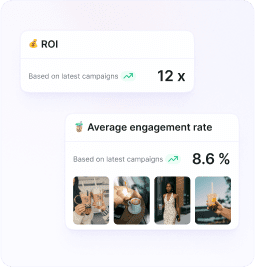
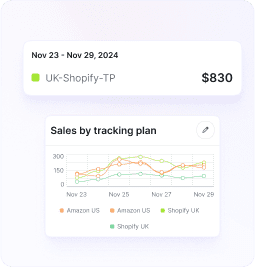
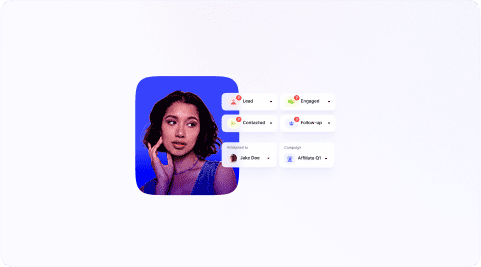
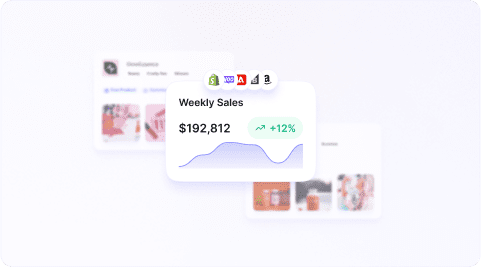
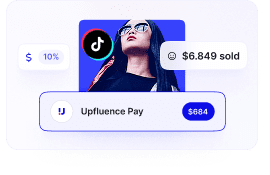
Smarter Influencer Attribution. Smarter Decisions.
No more guessing which creators or campaigns actually drive impact. Upfluence connects social listening, creator content, and sales performance, so you can:
监控提及情况,以确定哪些对话能产生实质影响。
并排比较创作者和活动。
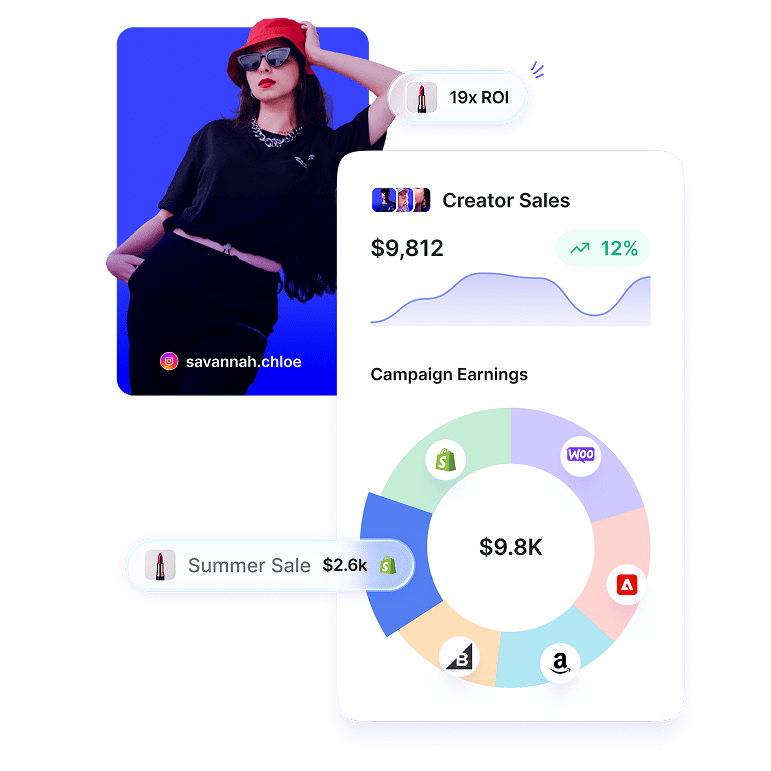
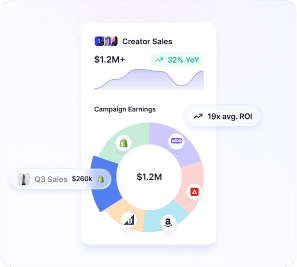
追踪哪些产品是通过创作者销售的。
识别机遇并优化投资。
超越联盟营销: 可扩展的创作者合作计划。
更快触达合适的创作者
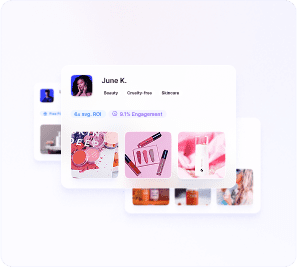
识别已与您的理想买家建立联系的意见领袖,或允许他们通过创作者市场申请加入。
通过联盟营销提升销售额
通过专属代码和可追踪销售数据,将有影响力的客户转化为品牌倡导者。
在不增加额外资源的情况下扩展活动
自动化并运用人工智能来执行营销活动、追踪成效,从而释放团队的时间。
查看哪些对话促成转化
将社交聆听、提及、帖子和转化整合于单一视图,精准衡量真实影响力。
简化大规模创作者支付
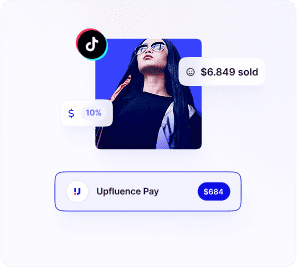
通过完全合规、安全且可大规模支付的解决方案,轻松向创作者付款。
什么是网红数据分析?
网红分析是基于数据驱动的洞察,用于评估网红营销活动在 社交媒体 和联盟营销渠道中影响者营销活动的表现。这些分析能帮助营销人员超越表面指标,深入理解实际商业影响。
关键影响者分析包括:
- 互动指标:点赞、评论、分享、收藏及视频观看量
- 受众特征:年龄、性别、地域、兴趣
- 联盟营销表现:点击量、转化率、收入以及促销代码或追踪链接产生的佣金
- ROI metrics: cost per acquisition (CPA), return on investment, average order value (AOV), and customer lifetime value (CLV)
通过将这些数据点集中于 影响者 分析平台集中管理这些数据点,品牌方便能对比创作者表现、优化营销策略,并扩大有效方案的实施规模。
如何追踪网红营销?
首先为每位网红分配专属促销代码、联盟链接或UTM参数。这能让您直接将创作者内容与转化率挂钩。
然后使用Upfluence 网红分析平台Upfluence :
- 通过集成社交聆听工具监控品牌提及和话题标签
- 追踪帖子层级 互动指标 指标,如点赞、分享、评论和收藏
- 通过将每笔销售追溯到特定代码或推荐链接来归因收入
通过结合内容分析与转化跟踪,您将获得完整的营销漏斗视图,从而明确哪些网红既能提升品牌知名度又能促进销售额。
我如何知道哪些网红能带来最多的销售额?
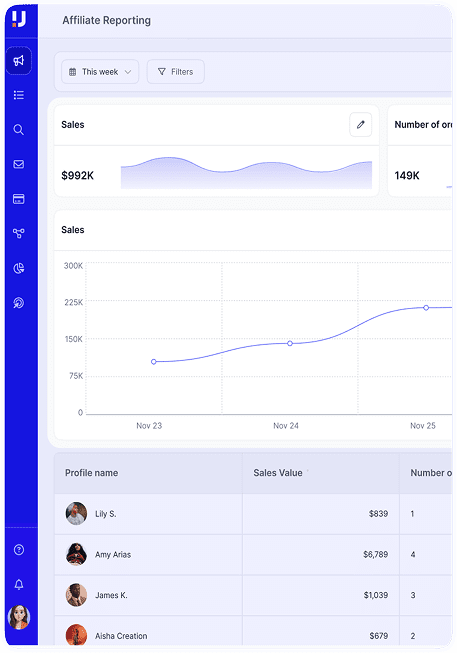
为识别表现最佳的网红,通过为每位创作者分配专属促销代码或联盟链接来追踪销售归因。使用活动仪表板展示:
- 每位网红的总点击量和转化量
- 已产生的收入和应付佣金
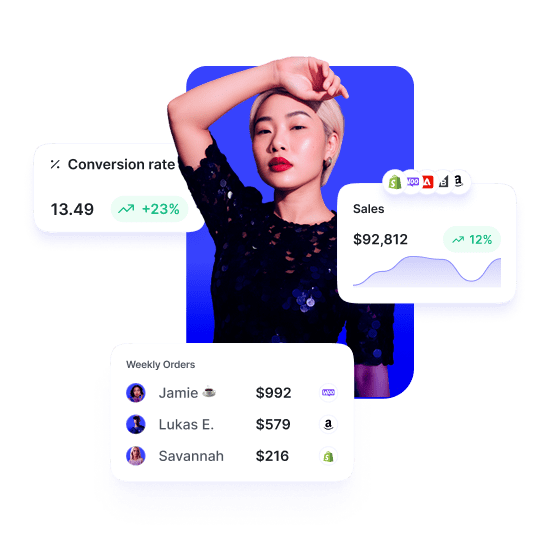
- 创作者的投资回报率和平均订单价值
- 点击到销售转化率
寻找具有高参与度和低每次行动成本(CPA)的稳定收入来源。这些洞察有助于您重新投资于正确的合作伙伴关系,并扩展您的网红联盟营销业务。 营销 计划。
What should an influencer analytics dashboard include?
A useful influencer analytics dashboard answers three questions: which creators drive revenue, what that revenue costs, and where to reinvest next quarter. In practice, that means five components:
- Attributed sales per creator, mapped through unique promo codes or affiliate links
- Cost per acquisition and ROI per creator and per campaign
- Engagement metrics (likes, comments, saves, shares) as vetting inputs
- Brand mention and social listening data alongside performance data
- Long-term metrics: average order value and customer lifetime value from creator-referred buyers
Most teams track too many metrics and act on too few. If a number in your dashboard never changes a budget decision, it doesn’t belong there.
Do engagement metrics predict sales?
No, not on their own. Engagement rate tells you whether an audience trusts a creator before you spend. It does not tell you whether they buy. Treat likes, comments, saves, and shares as inputs to your vetting process, and treat conversions as the output you report to your CFO.
Influencer analytics platforms should show both side by side, so the gap between “popular” and “profitable” is visible in one view. A creator with modest reach and a 6x return beats a celebrity post that drives awareness and nothing else.
How do teams use influencer analytics at each stage of a campaign?
Before a campaign, use audience data to vet fit: demographics, fake follower share, and past engagement on sponsored posts. During a campaign, monitor mentions and post-level performance daily, and flag creators who are underdelivering while there’s still time to adjust. After a campaign, rank every creator by revenue, CPA, and ROI, then move budget from the bottom quartile to the top.
This loop is the whole point of influencer analytics: not prettier reporting, but a repeatable way to decide who gets your next dollar. Teams that run it every cycle typically cut wasted spend within two or three campaigns, because underperformers stop getting rebooked by default.
What are the limits of influencer attribution?
Attribution through codes and links undercounts. Some buyers see a creator’s post, then search for your brand a week later and buy without clicking anything. That sale is real, but no tracking link captures it. Mention tracking and post-purchase surveys (“How did you hear about us?”) help fill the gap.
Treat the measured number as your floor, not your ceiling, and watch AOV and CLV from creator-referred customers over time. If those buyers reorder more often than customers from paid social, that changes how much a creator partnership is worth.
Influencer Marketing You Can Track
大多数平台仅关注点赞和分享数据。Upfluence 品牌口碑与实际销售业绩紧密关联,助您精准追踪营销成效,从容分配预算。