Influencer Payments Platform
Pay Any Creator. Anywhere. No Headaches.
Creator payments are where great campaigns fall apart. Stop chasing invoices, bank details, compliance documents and payment updates. Approve. Click pay. And it’s done!
Creator Payments at Scale, Made Simple.
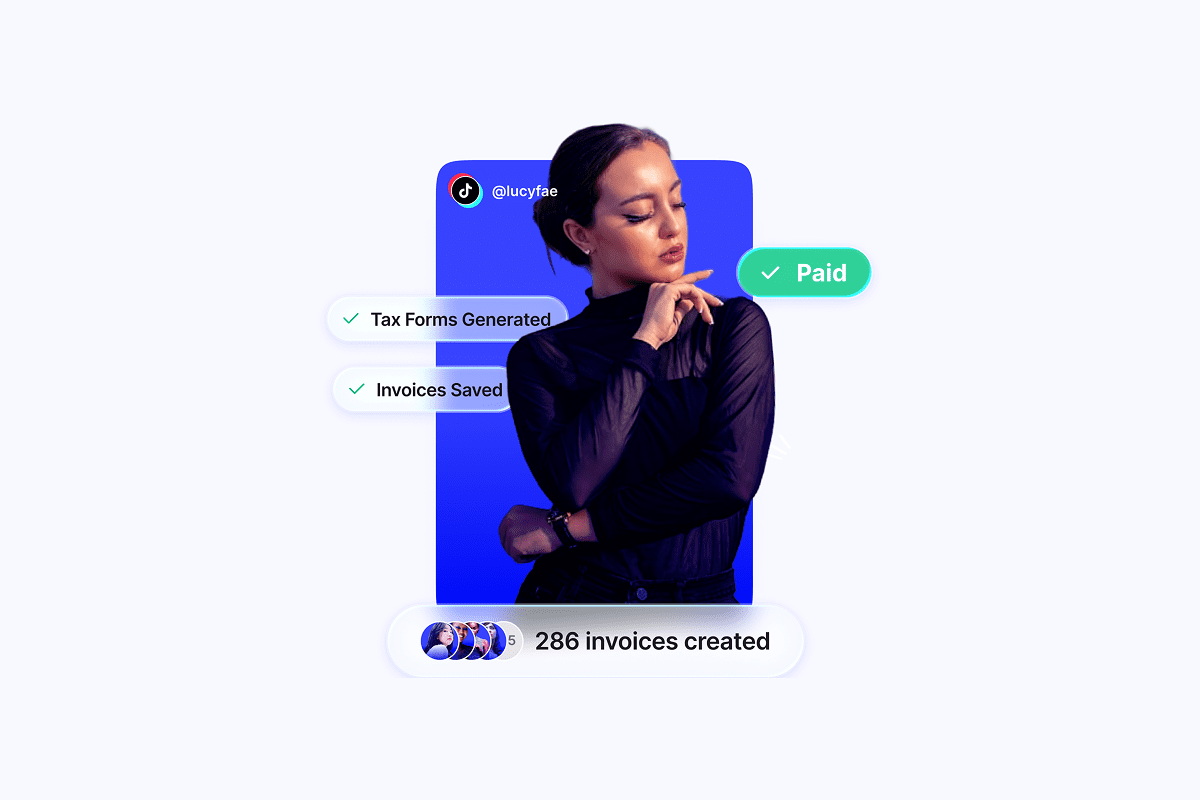
Stop Chasing Creator Tax Forms And Invoices
Creator payments often turn into paperwork chaos. Missing tax forms, incomplete invoices, and compliance checks slow everything down.
Upfluence collects creator payout details with built-in KYC verification and secure document collection. Automatic tax record exports keep finance teams compliant while every payout stays fully traceable.
Whether you are paying five creators or five hundred, compliance is handled.
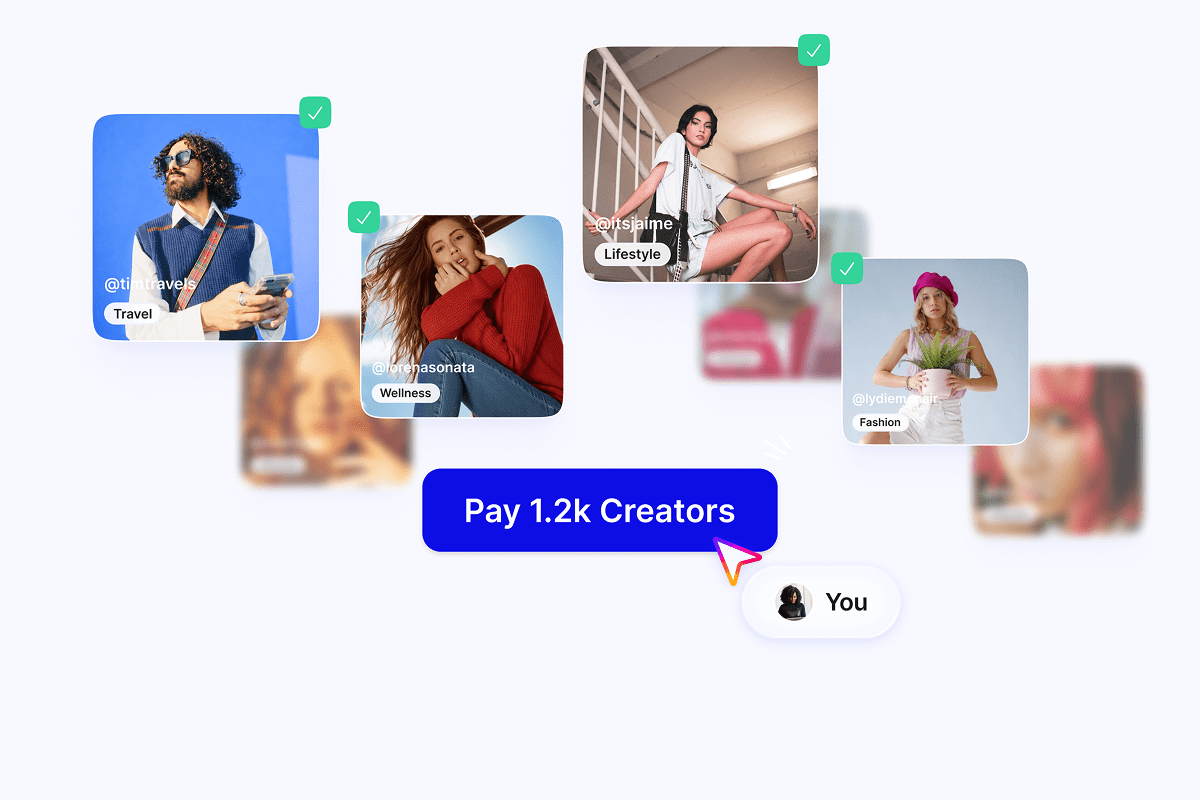
Paying 100 Creators Should Not Mean 100 Manual Transfers
The more creator partnerships you run, the harder payments become. Different currencies, different bank systems, and dozens of manual transfers turn payout day into a full-time task.
Upfluence simplifies global payouts with bulk payments and automated currency handling. Approve the work once and pay creators worldwide in a single click.
No spreadsheets. No manual transfers. Just creator payments at scale.
Your Success Shouldn’t Increase Your Platform Fees.
Many creator platforms charge a percentage of every sale. The more successful your campaigns become, the more expensive the platform becomes.
Upfluence uses a fixed pricing model instead. No percentage cuts from creator revenue. Just predictable costs as your creator program grows.
Scale your partnerships without scaling your platform fees. See for yourself 👉
Run Creator Payments Without Friction, Risks, or Guesswork
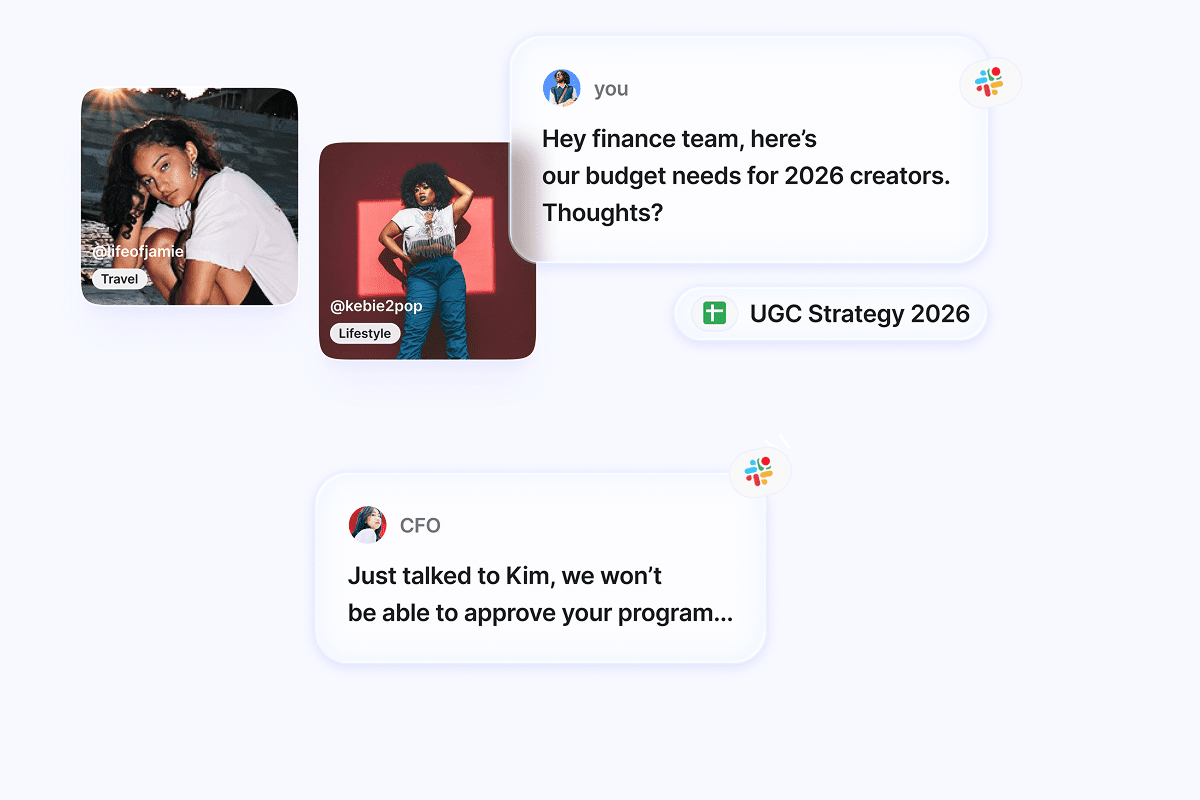
Creator Programs Should Not Be Limited By Finance
Many brands avoid working with hundreds of creators because finance teams cannot process that many small payments. The result is fewer partnerships and missed growth opportunities.
Upfluence removes that bottleneck by automating payout requests, payment approvals, and financial records. Marketing teams can scale creator partnerships while finance keeps full visibility and control.
More creators. Less operational friction.
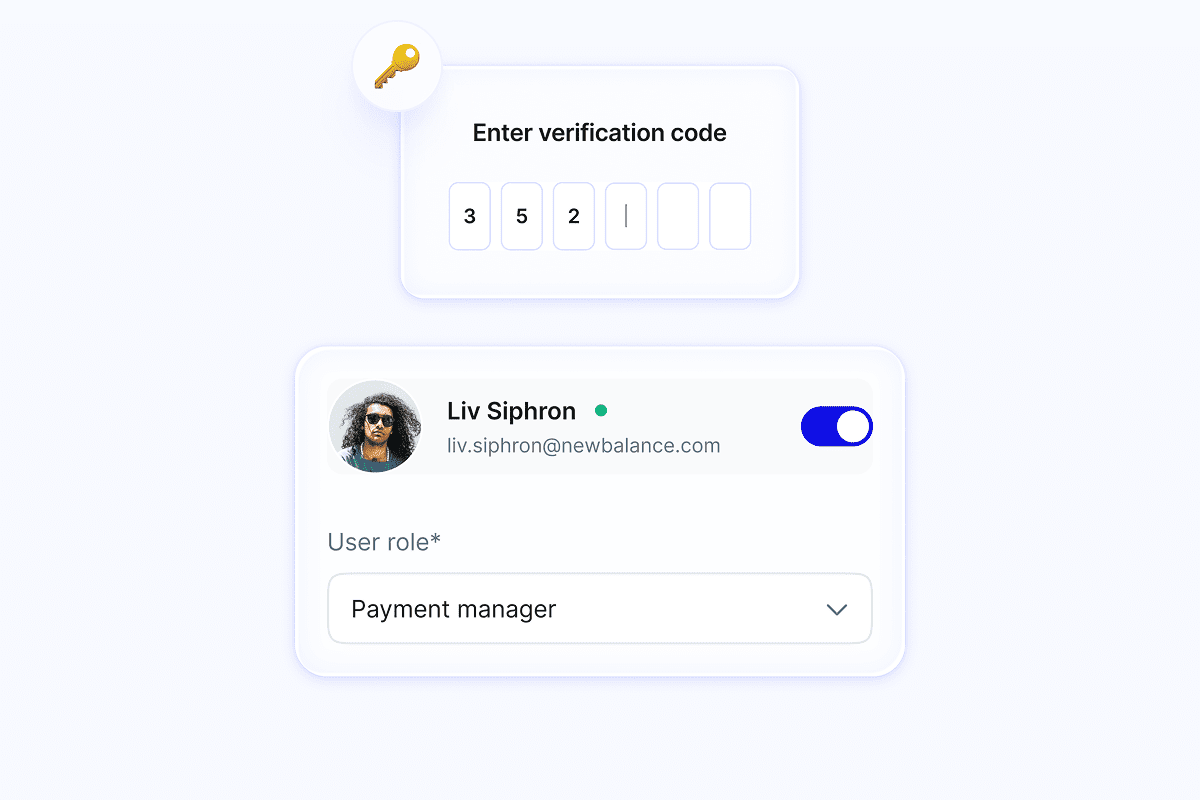
Payments Should Not Be a Security Risk
Creator payouts involve marketing, finance, and operations. Without clear roles and permissions, mistakes happen and sensitive financial information can end up in the wrong place.
Upfluence gives teams secure access control, customizable permissions, and full payment traceability so every payout stays protected and accountable.
Creators Should Never Wonder When They Get Paid
Late or unclear payments damage creator relationships faster than anything else.
Upfluence gives creators full payment transparency with clear payout status and flexible payment options. Creators know exactly when they will be paid, and brands avoid endless follow-up messages.
Better payment experiences lead to stronger creator partnerships.
Stop wasting time handling payments, spend more time running programs.
Approve the work. Click pay. Move on with your day.




















How do brands pay influencers?
The most common approach is a flat fee: a brand agrees on a set rate, the influencer publishes the content. But flat fees alone don’t always align incentives, which is why a lot of brands layer in affiliate commissions, a percentage of sales tied to the creator’s performance. If the audience buys, the influencer earns more. If they don’t, the brand didn’t overpay.
The most common influencer marketing payment models include:
- Flat fee: brand pays a set rate for a sponsored post, video, or piece of content.
- Affiliate commission: Creators earn a percentage of sales generated through their unique links or discount codes.
- Product gifting: Brands send free products to creators in exchange for content or reviews.
- Hybrid models: A fixed rate combined with commission on results, often the sweet spot for mid-size campaigns.
What payment methods do influencers accept?
It depends heavily on where the influencer is based and how their business is set up. The most common influencer payment methods include:
- Bank transfers or direct deposit: Reliable, trackable, and easy to reconcile. The preferred option for most U.S.-based influencer.
- PayPal payouts: Widely used, especially for influencers who work with multiple brands across different regions
- Product gifting or store credits: Still used for smaller collaborations, usually along affiliate commissions.
For global programs, managing multiple currencies and different banking preferences through a spreadsheet is a recipe for delays and strained relationships with the creators you actually want to work with again.
How do you pay influencers internationally?
Cross-border payments involve currency conversion, compliance checks, and banking systems that don’t always cooperate. A payment that takes two days domestically can take two weeks internationally if it hits the wrong bottleneck.
The brands running global influencer programs at scale use a dedicated payments platform to handle it. A typical international payment workflow looks like this:
- Collect Influencer payment details securely during onboarding.
- Approve influencer campaign deliverables before releasing funds.
- Process payouts in the creator’s preferred currency.
- Track payment status and financial records in one centralized system.
How do companies manage payments to hundreds of influencers?
Once a campaign involves more than a handful of influencers, each one effectively becomes a new vendor, and finance teams weren’t built to process hundreds of individual vendor payments tied to marketing campaigns.
The companies doing this well use an influencer payments platform built for scale. Key capabilities that make large influencer programs manageable include:
- Bulk influencer payments: Pay many influencers at once instead of processing transfers one by one.
- Automated invoice collection: Approvals and paperwork happen inside the platform, not across email threads.
- Centralized financial records: Every payout, every campaign, tracked in one place.
- Budget tracking and reporting: Know where you stand financially in real time across all active influencer partnerships.
Marketing can approve deliverables and release payments in a single workflow. Finance still has full visibility over what’s been spent and what’s pending.
What tax forms are required for influencer payments?
In the U.S., the requirements are straightforward, but they add up operationally as your influencer roster grows. The tax documentation required for influencer payments typically includes:
- W-9 form: Required from U.S.-based influencers before payment is issued.
- W-8 form: Required from international influencers working with U.S. companies.
- 1099 forms: Issued to any influencers who meets the reporting threshold during the tax year.
The challenge isn’t knowing what’s required. It’s collecting the right forms from the right people across a large, often rotating roster of influencers, before deadlines, without chasing anyone down.
Upfluence automates tax form collection and influencer identity verification, turning what used to be a recurring fire drill into something that just runs in the background.